Addicted to Easy: Have We Lost Our Ability to Do Hard Things?

The facial expressions of one of my clients still make me laugh today. About five years ago, during a session, the client mentioned shredding cheese to make tacos. I was fascinated. Shredding cheese on a weeknight was an accomplishment. Tacos I knew. Browning the meat and adding store-bought packaged seasoning, I understood. Cutting tomatoes for tacos, I mastered.
Why was shredding cheese fascinating to me?
I did not shred cheese.
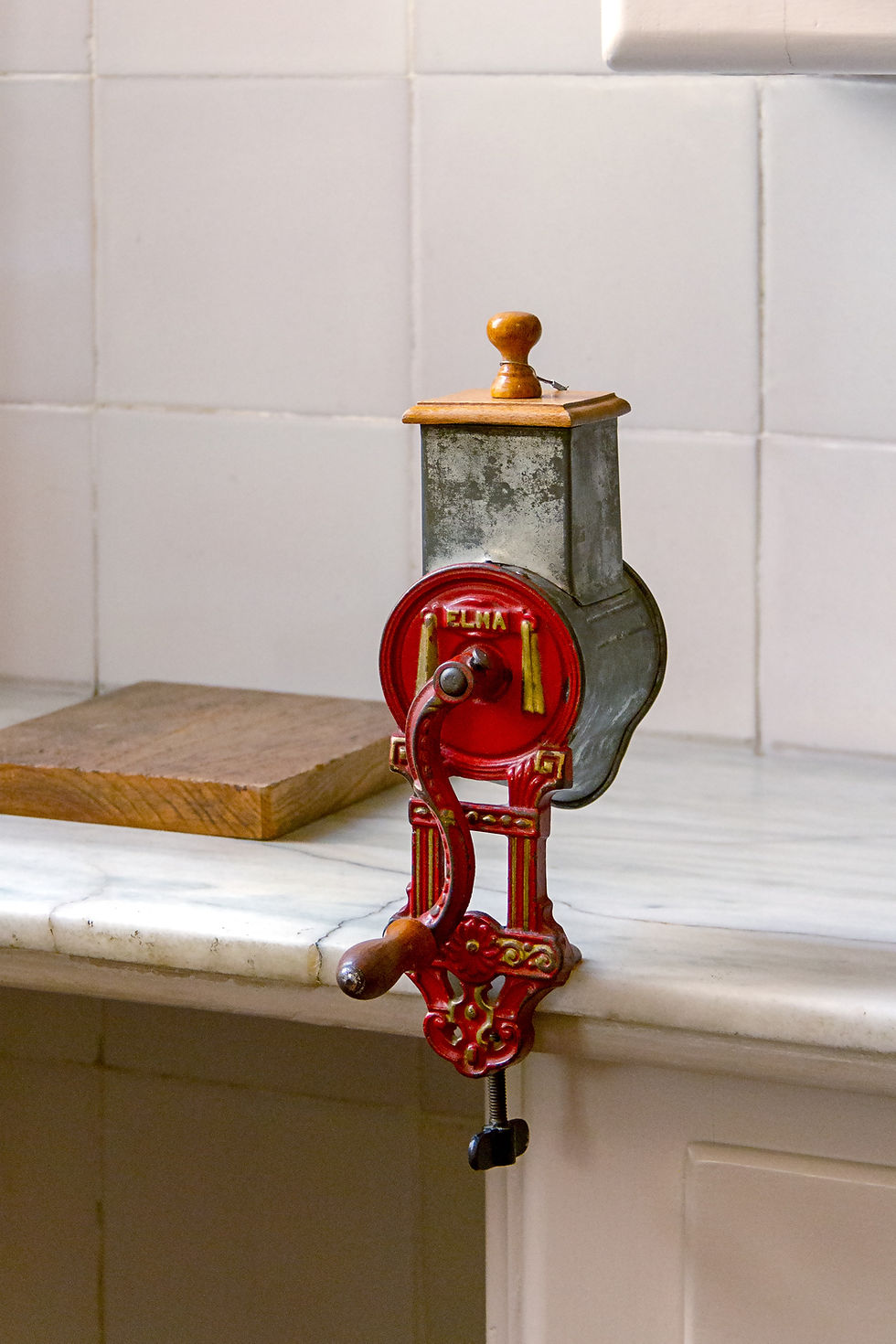
I purchased religiously shredded cheese. It was easier. Convenient. No, I wasn’t into kitchen gadgets during that time. If I had a gadget, I didn’t take the time to learn how to use it.
Before you laugh at me, consider the environment in which we all live. (Laugh because it’s hilarious in hindsight.)
Have We Become Addicted to Easy?
Conveniences save time and energy. Instant messaging, fast- food restaurants, and household gadgets keep us comfortable. Same-day or overnight delivery takes precedence over purchases that require more time. Electronic devices, from cell phones to home monitoring systems, make us feel safer. Automatic spelling assistance makes it easier to write and send texts. Watching how-to videos on YouTube reduces the need to read to learn how to do a task. It takes less time to think about what is required and how to solve a problem. These things have made life convenient and predictable.
Our expectations of quick and easy are often reinforced by companies vying for consumer satisfaction. Consumer satisfaction equals more profit. Fast-food restaurants have become the object of frustration and sometimes violence. And God help us all if the direct deposit to banking accounts is a few hours late. When cell tower outages occur, consider the outrage of many.
Our tolerance levels for life processes have decreased. Delayed gratification is becoming a foreign concept with easy credit card purchases or paying over time. External pressures from various forms of media encourage many to seek quick fixes and quick-turnaround investments. Even faithful church attendees have fallen prey to a get-rich mentality. Sermons teaching on “sowing a seed in thirty seconds” for God to return a huge blessing have trapped many. Teachings that God gave a high-end car to someone with low credit scores because a “prophetic word” was given. God’s precious sheep are led astray. Maybe the source of the problem is the expectation that life should be easy.
Harmful Patterns of the “Easy Addiction”
Some relationships are damaged because the expectation that the honeymoon phase will last forever is made to last forever. Learning to resolve conflicts is “too hard” and “not expected.” Marriages end before they began because one person gets exhausted of overfunctioning. Love doesn’t clean the house or repair the washer. Attending to children after working an eight-hour shift can be daunting—all inconveniences.
Many interpret struggle as evidence that something is wrong or not God-led or given. Recall when Jesus was tempted in the wilderness. The Bible states that the Holy Spirit led Him there. No one wants to be led to a struggle.
The idea of an easy life threatens our well-being. If everything is easy, how does one develop confidence? Confidence is a strong belief in your own abilities, gifts, or future. Each time we succeed, our confidence increases. Failure and success work together. Failure motivates the desire for success if perceived correctly. Success reminds us that failure is possible. So, we maintain what is necessary for success. A student does not stop studying after passing one test, knowing there are several other tests to take. An athlete doesn’t stop practicing after one successful game. Why? Because failure usually occurs in our process of achieving. Failure reminds us we need to maintain and look for areas of improvement. Hard things will cause us to problem-solve for improvement. Hard things are necessary.
Reality: Some Things Are Supposed to Require Something From Us
Life is full of inconveniences and discomforts. Discomfort is not the same as harmful. Harm is something that damages, violates, abuses, or threatens our physical and mental safety. Older adults often tease the younger generation for being too soft. Harmful behaviors do not strengthen or build tolerance. It does the exact opposite. Harmful behavior tears down self-esteem and self-confidence. Harmful behaviors incite anger and frustration. Children who have been in harmful environments are more likely to continue harmful behaviors in other relationships as adults. Mental health problems such as anxiety and depression can also emerge. Adults who are very critical of others usually were in emotionally unsafe environments. We are not expected to accept harm, nor are we created to accept it. Our God-created instinct tells us to fight, flee, or freeze for protection.
Hard is something difficult to overcome and requires emotional, mental, physical, and spiritual effort. Before God gave Adam a wife, He gave Adam work. God provided. Then told Adam, “To work it and take care of it” (Genesis 2:15). If you have ever tried gardening or landscaping, you will know this is not easy work!

We are created to endure hardship. In fact, we are expected to overcome hardships. “Blessed is the one who perseveres under trial because, having stood the test, that person will receive the crown of life that the Lord has promised to those who love Him (James 1:12). Cycles of procrastination and decreased confidence can occur when we expect an easy life. Once the “hard thing” comes, fear of getting started or a lack of confidence can prevent the attempt. Then a lack of discipline sets in and breeds more problems to be solved. Avoiding discomfort can make life more challenging.
Building a Tolerance for Being Uncomfortable
Failures happen to imperfect people. Since we are all imperfect people, we will experience failures. Failing and restarting with planned adjustments also help build tolerance for discomfort. Feeling uncomfortable brings sadness, disappointment, and sometimes anger. Every feeling and emotion relates information to us. If we use emotions healthfully, they will serve us well.
Building a tolerance for being uncomfortable begins with understanding emotions and the purpose of each. Disappointment can drive us to consider what worked, what did not work, and what needs to be done. Anger can motivate us to make changes. Sadness helps us to grieve the loss and appreciate the wins. Hurt can help us to establish boundaries.
Delaying instant gratification can help us build a tolerance for being uncomfortable. My family doesn’t like it when I buy blocks of cheese. Opening the refrigerator and finding cheese shredded is instant gratification—the same as buying a store-bought pizza rather than making one. Frequently shredding the cheese with the right kitchen gadget became rewarding. The cheese has a creamier taste. I have built my tolerance (smile).
Shred the Cheese: Endure the Hard Stuff

Of course, you realize this blog post isn’t about cheese. If you’ve ever shredded cheese, you know it’s not difficult. Not a convenience but certainly not hard. We don’t need to reject all conveniences to glorify suffering. There’s no need to drive a horse and a buggy. The cost of gas may decrease, but you may not make it to your job on time.
An easy life does not determine a good life. An easy life may mean you aren’t reaching your potential. Maybe an easy life means avoiding important conversations. The desire for an easy life may increase discomfort because life isn’t created to be easy. Muscle isn’t built without the necessary weight. Money doesn’t increase without discipline. Relationships won’t grow and change without learning to resolve conflict. Sweeping things under the rug only piles up. Children become a menace to society when left to raise themselves. Even your spiritual life will remain stagnant if easy is the expectation.
So, go ahead. Shred the cheese. Get the right tools needed to problem-solve. Problem-solving requires us to lean into tolerating what we don’t like and learning to figure out what to do about it. And often, it won’t be easy.


Comments